In a previous post, I discussed the fractal boundaries of two interacting systems. Whenever a natural system, such as a tree, a river, an animal path, or a cloud interacts with another, the border between the two will show self-similarity. This often takes place in both systems, and one may be the cause of the other.
This is how Nature interacts with herself. With living systems, I believe it is because growth is algorithmically based. Growth is very much a self-replicating pattern, and that growth eventually must end at a border. Yet for non organic systems, such as atmospheric phenomena, turbulence or other chaotic behavior still exhibits self similarity when interacting with itself.
Any beautiful architectural structure or any well-designed product will include fractals along its transitional border. This seems natural to us and it is obvious that a border that does not have a fractal of some kind will look incomplete.
We can divide structures into systems. These systems are discrete elements with different functions and therefore use a different form that does not resonate with the other elements. In a house, for example, we will have the system of a roof, and another for the walls. Neither one of these has the same function and will be constructed differently. When these components unite, we find that the borders are different.
Designers and architects have learned the art of combining borders to create a harmonious union. Intuitively, they use self-similarity to harmonize the borders, in other words, at the border you will find fractals.
Systems:
In my definition, a system is a grouping of elements that is necessary for the function of a building, or structure in general. It creates its own form.
Examples of systems would be walls, roofs, doors, foundations, windows, floors and ceilings, columns and pilasters.
Borders:
In my definition, a border is the intersection of two different systems.
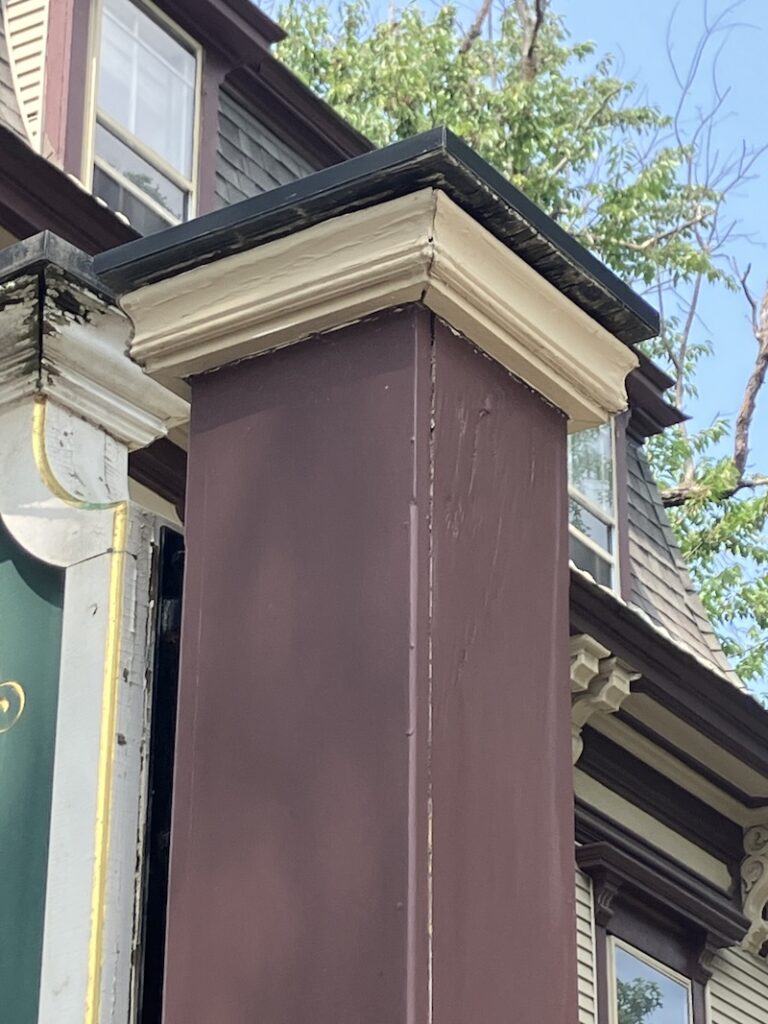
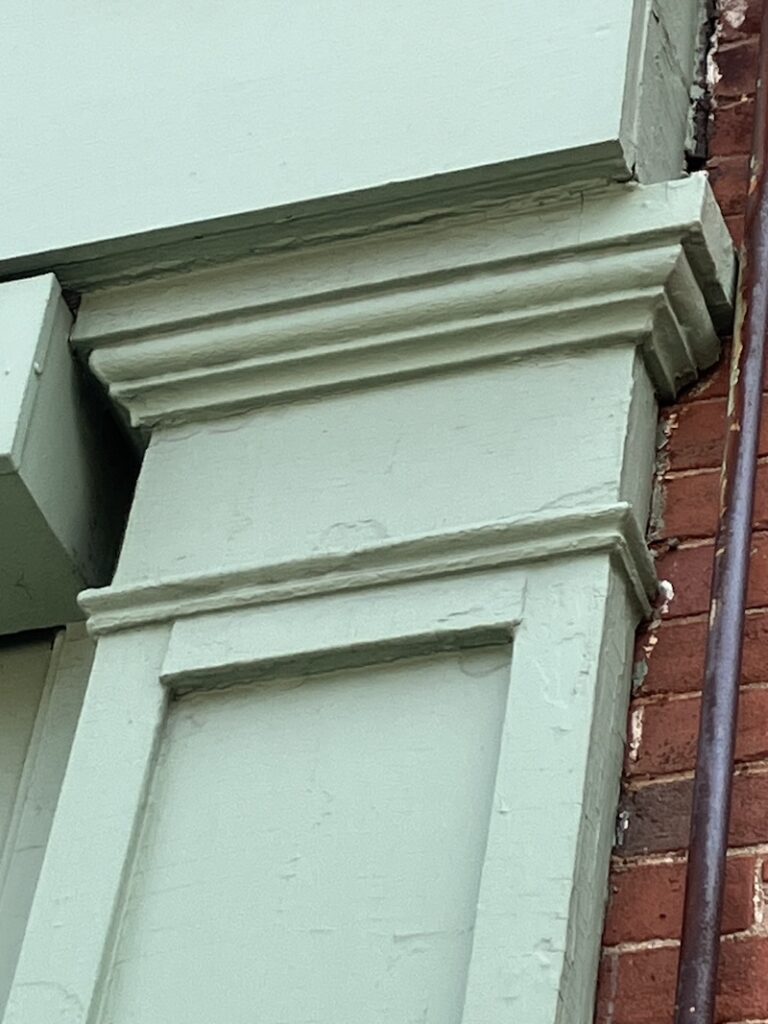
Examples of borders would be window frames, molding, capital and bases of pillars and door frames. They link two disparate systems each with its unique form that do not interact harmoniously with another.
Harmonious Borders:
Below are a few pictures with harmonious borders. Notice how self-similarity is used. There is no fixed form for these borders and we will always find innovation and originality.
Within these images, notice the intersection of the windows with walls, porches and the building wall and the division between floors. Note too that the border includes the building itself with the sky and the ground. Steps can be included with a building to ground border, along with a foundation. The border may include plants.
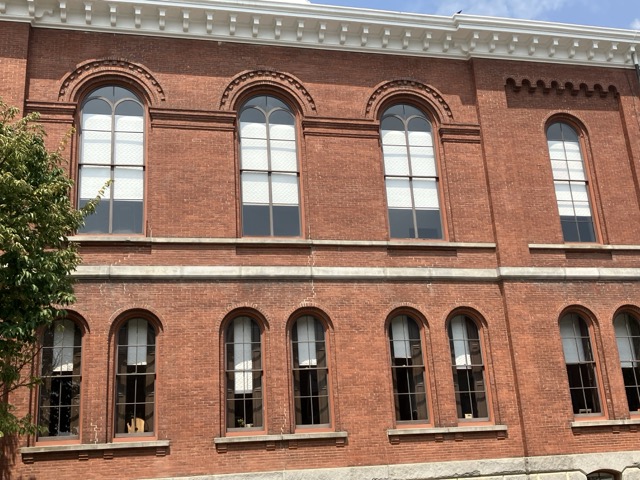
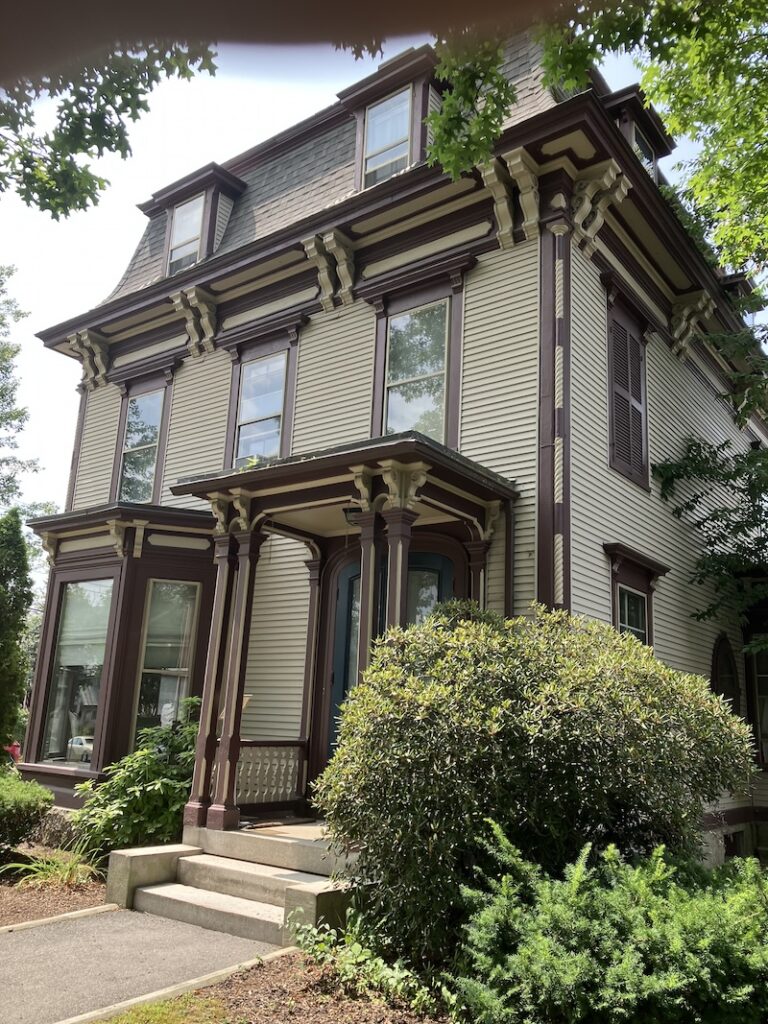
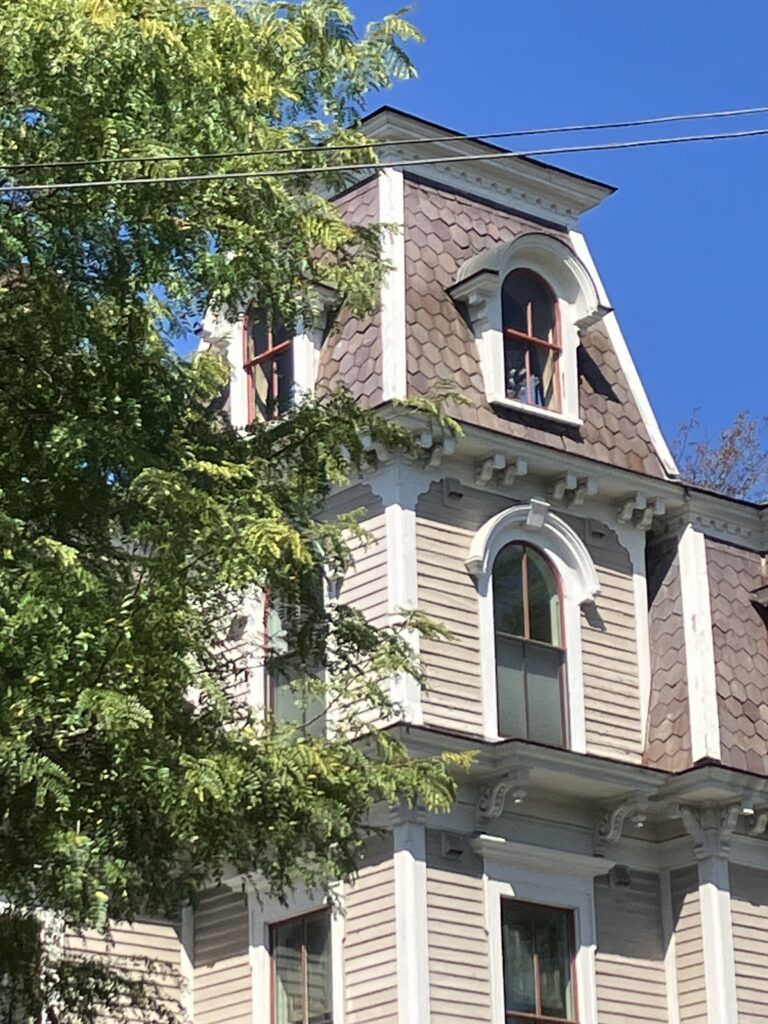

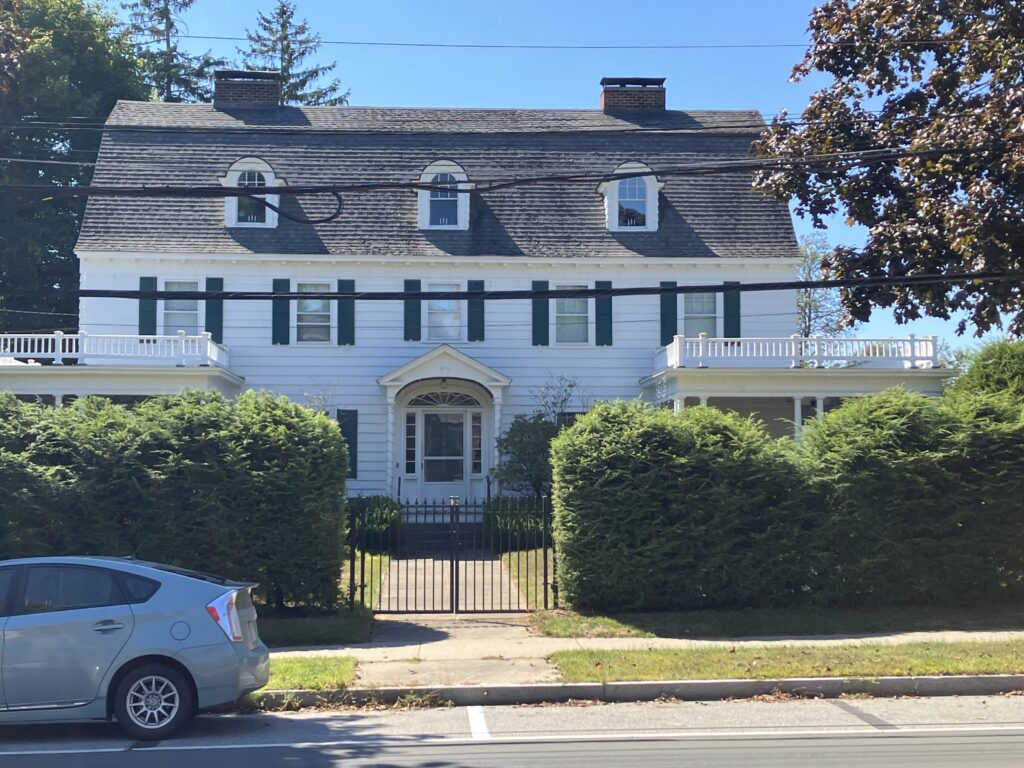
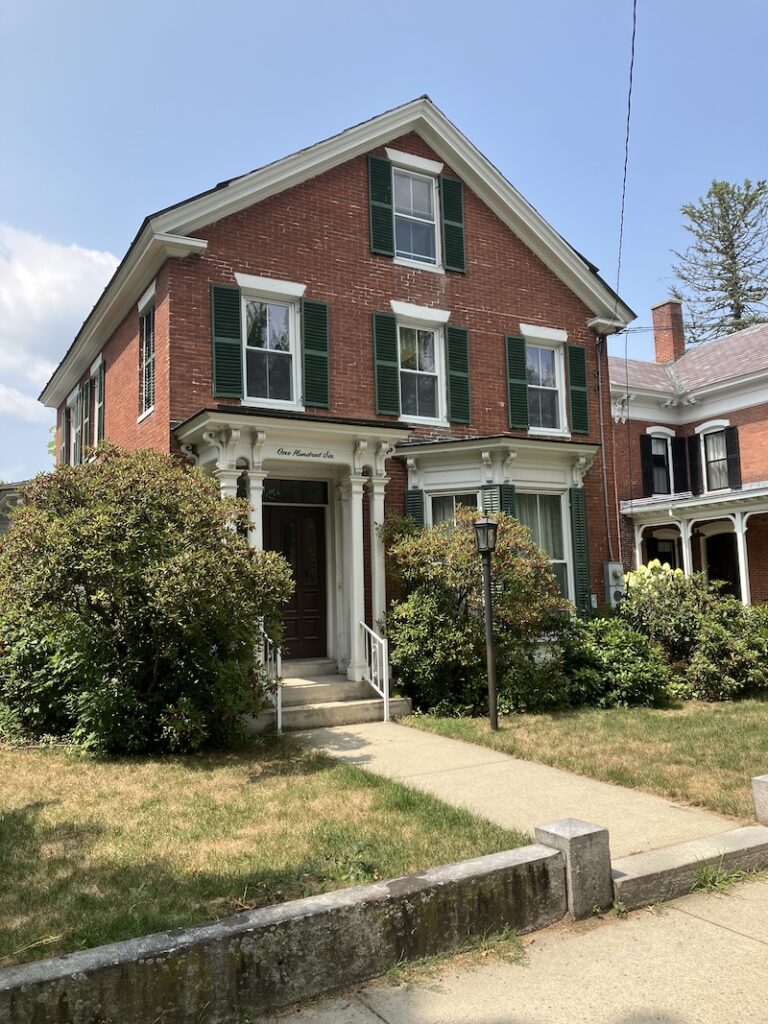
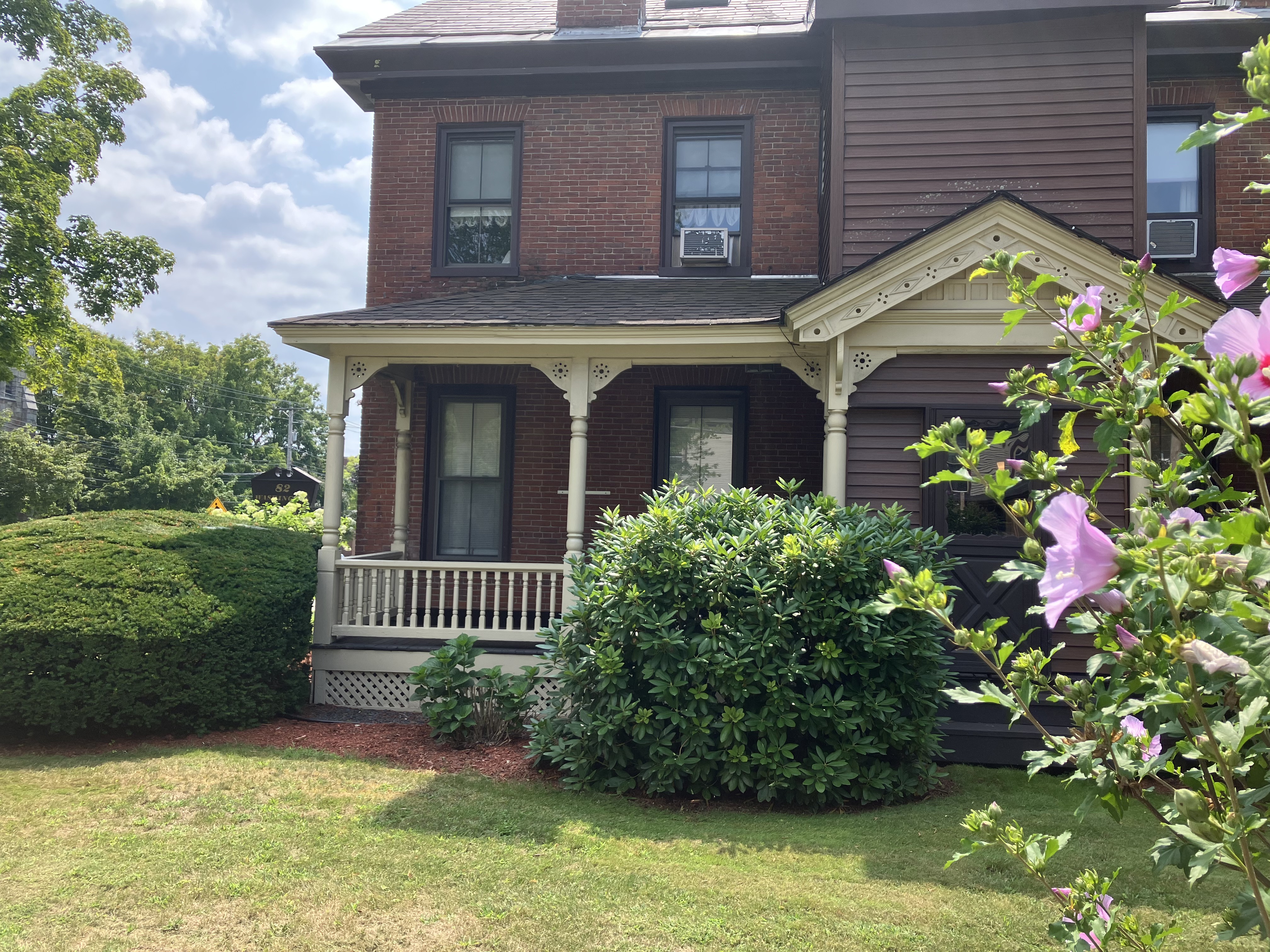

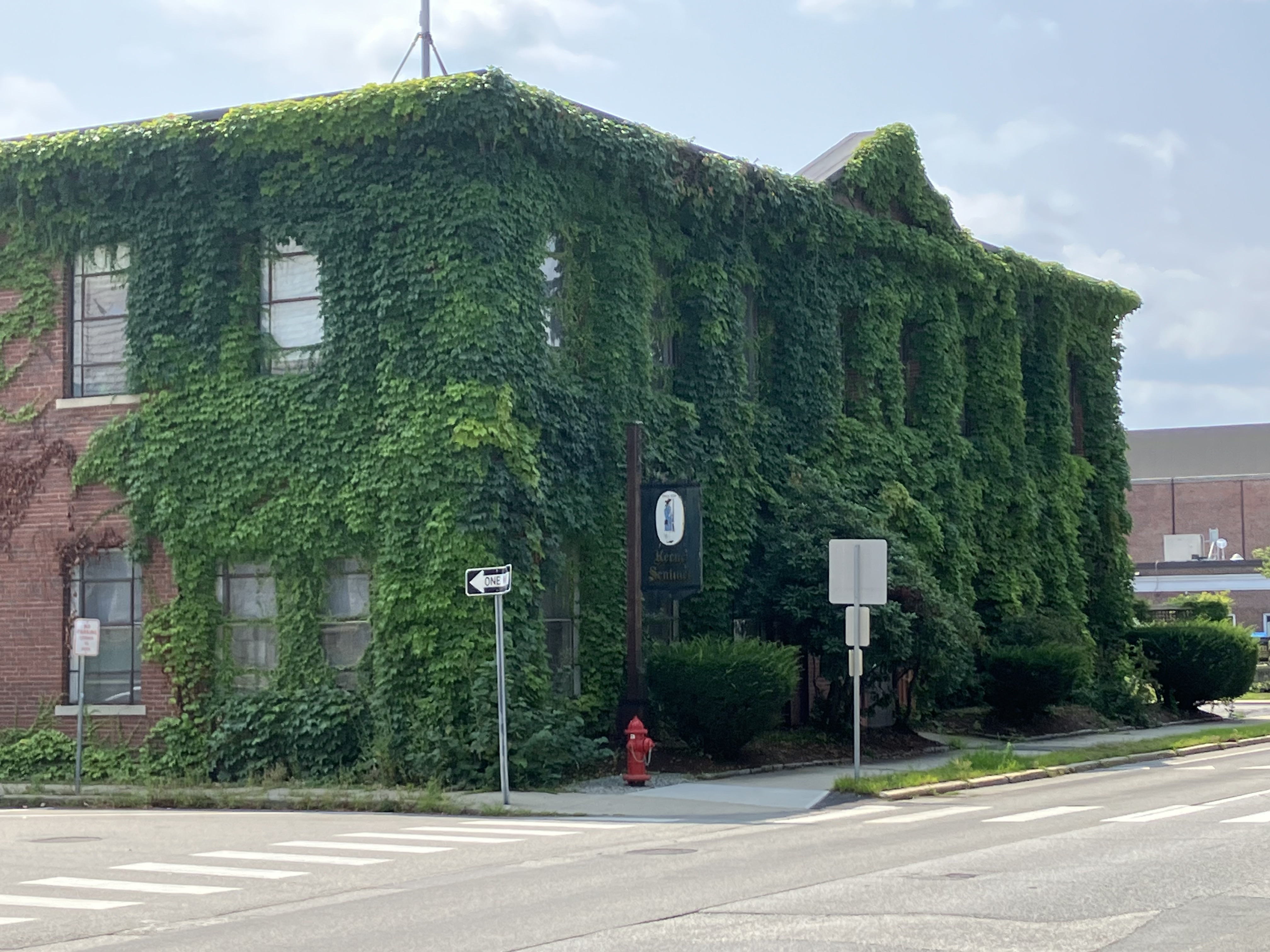
Notice too that corners of a building usually do not display a border because it is an intersection of two similar systems and there is no clash.
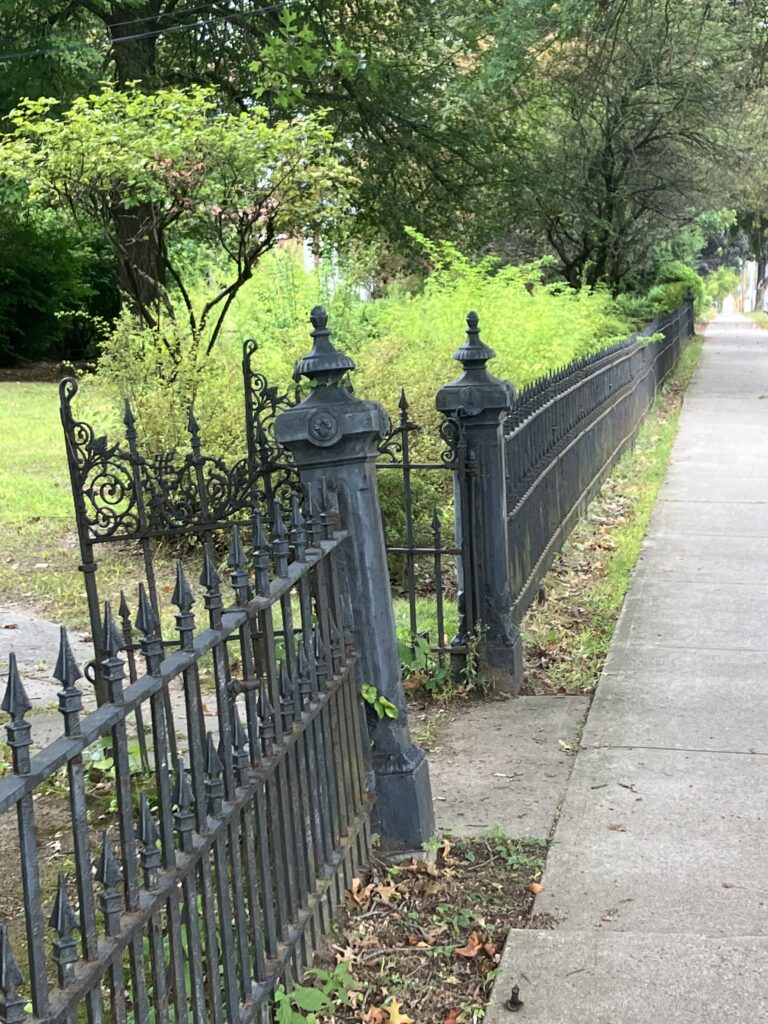
Additional examples of harmonious borders can be fences:
Or the molding between a wall and a ceiling:

Or the top of a pillar or pilaster.
Disharmonious Borders:
A disharmonious border does not resolve the clash between two systems. Modern architecture is rampant with these.
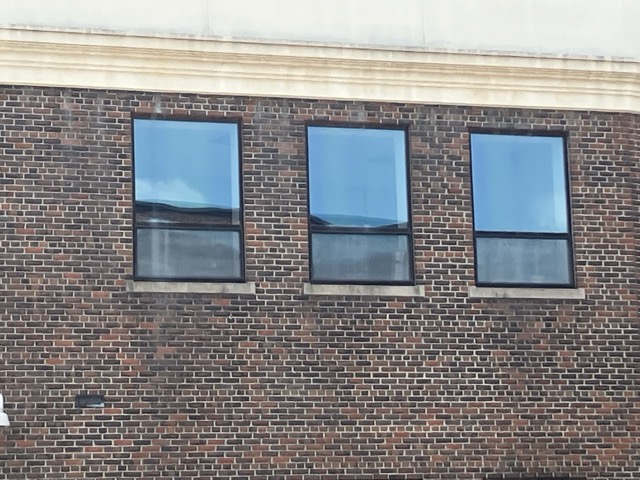

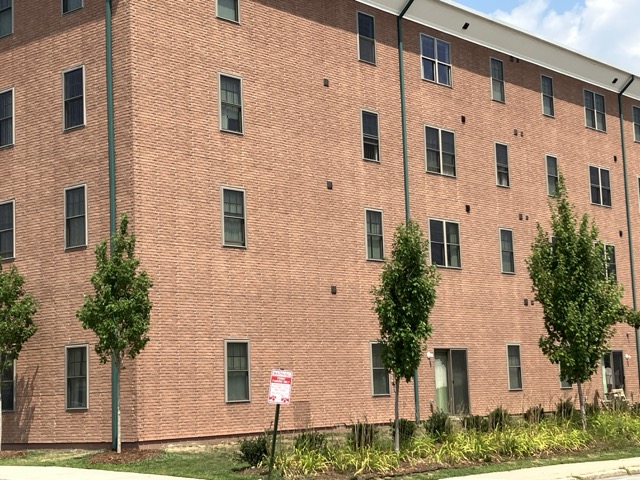
Modern architecture will state that borderless systems are cleaner and borders are mere ornamentation. Modern architects and designers do not wish to resolve the clash between two differing systems. But this perspective creates unnatural designs. Intuitively we all know that is true.

A disharmonious interior is very common in modern homes:
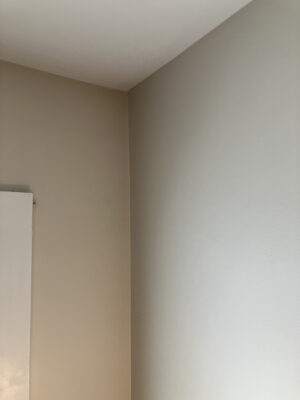
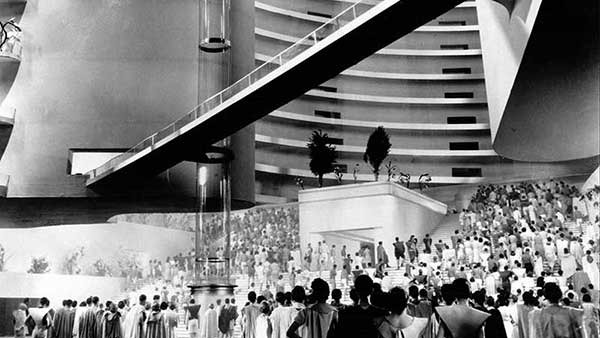
Often, disharmonious borders are used to celebrate the artificiality of design, of a sense of human progress leading into a bold future. A casual look at old or new science fiction movies will almost always exhibit futuristic settings where humanity lives in a world without natural borders.
The intention is to lead the person who experiences this to feel a sense of progress away from the so-called bounds of nature. The reality however, gives people an experience of anxiety and depression.
Conclusion:
If we look at buildings as a collection of systems, where a system is a form based on a specific function, we see that the border between these systems requires self similarity in order to be harmonious. And it is important to include the ground and the sky as a border.
Beautiful architecture will always have fractal borders.